
Julian Aguon and Isa Arriola guide Guam community engagement on proposed deep-sea mining
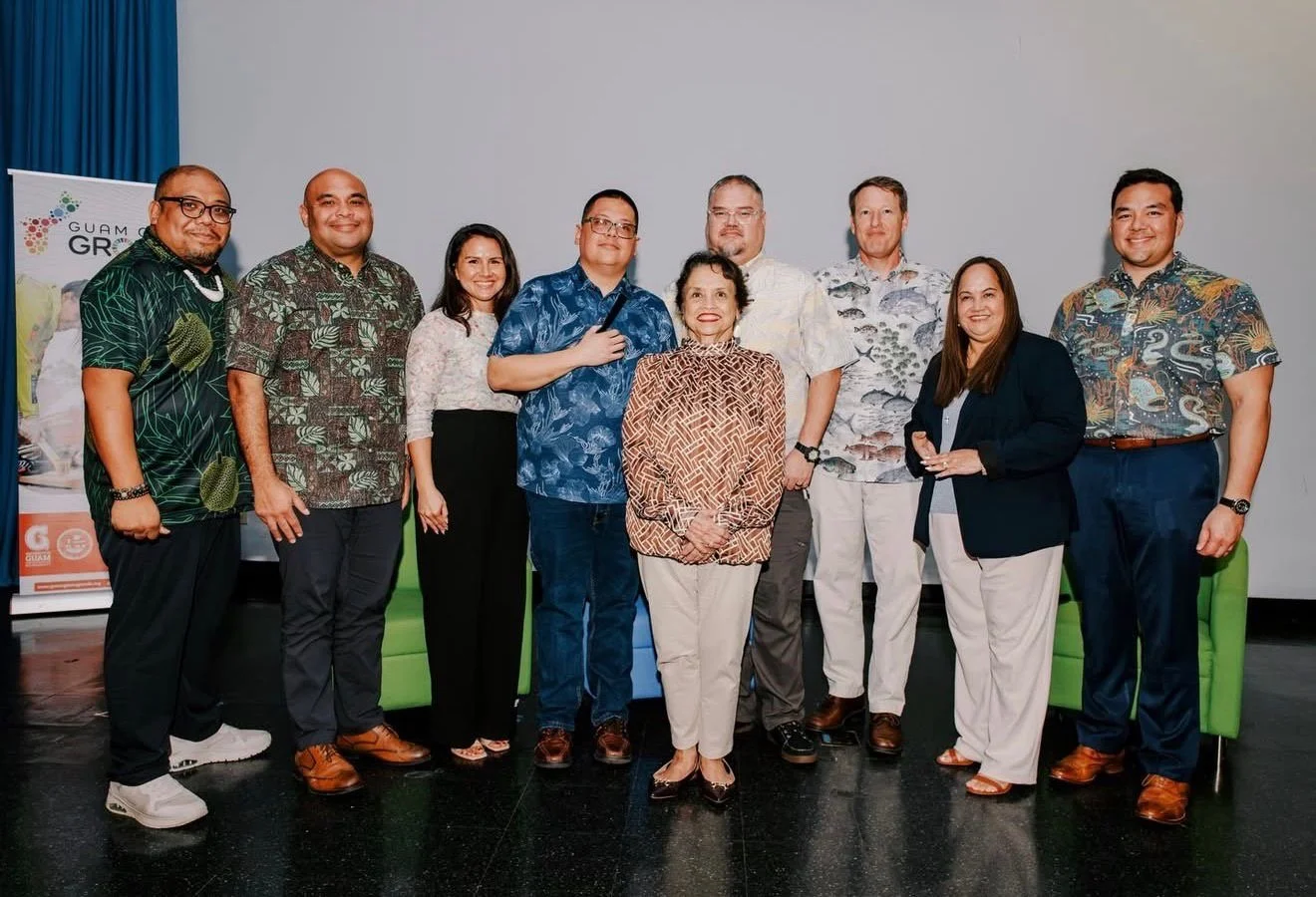
Julian Aguon and Isa Arriola presented at a Government of Guam–hosted public workshop addressing proposed federal deep-sea mining activities in waters surrounding Guam and the Commonwealth of the Northern Mariana Islands. The workshop convened community members, policymakers, and technical experts to examine the legal, environmental, and cultural implications of seabed mineral extraction in the region.
Their presentations outlined the potential impacts of deep-sea mining on marine ecosystems, Indigenous cultural heritage, and traditional ocean relationships, while also unpacking the complex regulatory framework governing seabed activities. Aguon and Arriola raised critical questions about whether the Bureau of Ocean Energy Management (BOEM) is acting within the scope of its statutory authority in advancing these proposals, and whether existing law meaningfully authorizes the agency to permit deep-sea mining in U.S. territorial waters.
A central focus of the workshop was public participation. Aguon and Arriola encouraged those in attendance to submit public comments to BOEM and explained how community input can influence agency decision-making. They provided guidance on what makes public comments most effective, emphasizing the importance of legally grounded, fact-specific submissions that address statutory mandates, environmental review obligations, and cultural impacts.
By equipping community members with both legal context and practical tools for engagement, Blue Ocean Law supported informed participation in a process with significant consequences for Pacific Island communities. The workshop reflected the firm’s ongoing commitment to empowering local voices and strengthening community-based advocacy in ocean governance decisions.